
Pollack in Korea: One Fish, Many Lives
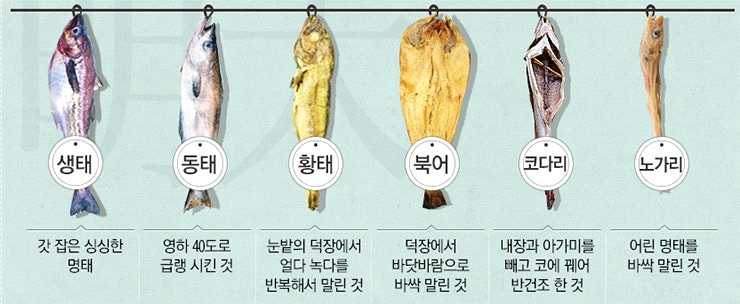
In English, we say ‘Pollack’ but in Korean, this Fish has many names:
- 생태 (Saengtae) – fresh pollack
- 동태 (Dongtae) – frozen pollack
- 북어 / 북태 (Bugeo / Buktae) – fully dried pollack
- 황태 (Hwangtae) – winter-dried pollack (freeze–thaw process)
- 코다리 (Kodari) – semi-dried pollack
- 노가리 (Nogari) – young pollack, lightly dried
This linguistic precision reveals something essential: Korean food culture does not see ingredients as fixed. It sees them as processes.
Climate Change and the Disappearance of Fresh Pollack
Historically, pollack was one of the most common fish in Korean waters.
Today, fresh pollack (생태) is rare.
Environmental change, rising sea temperatures, and overfishing have drastically reduced local pollack populations. As a result, most pollack consumed in Korea today—especially 동태 (frozen pollack)—is imported, primarily from Russia.
This shift has changed daily cooking habits. Many dishes once made with fresh pollack are now prepared with frozen or dried versions instead. Korean cuisine adapted, not by abandoning pollack, but by leaning further into preservation techniques.
Why Dry Pollack at All?
Drying pollack was never only about storage.
It was about survival, taste, and season.
- 북태 / 북어 is dried completely, becoming light, shelf-stable, and deeply savory when rehydrated.
- 황태 is produced through a unique winter process: repeated freezing at night and thawing during the day in cold mountain regions. This transforms texture and concentrates umami while removing bitterness.
- 코다리 sits in between—still flexible, still moist, ideal for braising.
Each version answers a different culinary need.
The Taste Logic of Pollack
Pollack is not prized for fat or richness.
It is valued for clarity.
Its mild flavor makes it an ideal carrier for:
- chili and garlic
- fermented pastes
- anchovy or kelp stock
- radish, tofu, and bean sprouts
This is why pollack appears so often in soups and stews. It supports the broth rather than dominating it.
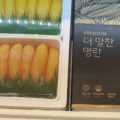
Myeongran (명란): Pollack’s Most Famous Transformation
Myeongran (pollack roe) deserves special mention.
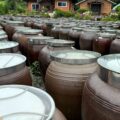
Salted and lightly fermented, 명란젓 (myeongran-jeot) became one of Korea’s most iconic preserved foods. Traditionally eaten in small amounts, it delivers intense salinity and umami.
Today, myeongran has crossed borders:
- in Japan as mentaiko
- in modern Korean cuisine as pasta, rice bowls, and sauces
Despite modern reinventions, its original role remains the same: a little goes a long way.
Nutrition – Approximate values (per 100g, cooked, unsalted):
- Calories: 80–90 kcal
- Protein: 17–19 g
- Fat: <1 g
- Omega‑3: low to moderate
- Key nutrients:
- Vitamin B12
- Selenium
- Phosphorus
Dried versions (북어, 황태) are more concentrated:
- higher protein per gram
- higher sodium if salted
- extremely low fat
Pollack is not a luxury protein. It is a daily protein.
Pollack and the House-Protecting Fish
Pollack has also played a symbolic role.
Dried pollack was traditionally hung in homes, especially during New Year rituals, to ward off bad luck and invite prosperity. Its dried, hollowed body symbolized abundance, openness, and protection.