
Seollal: the Korean Lunar New Year
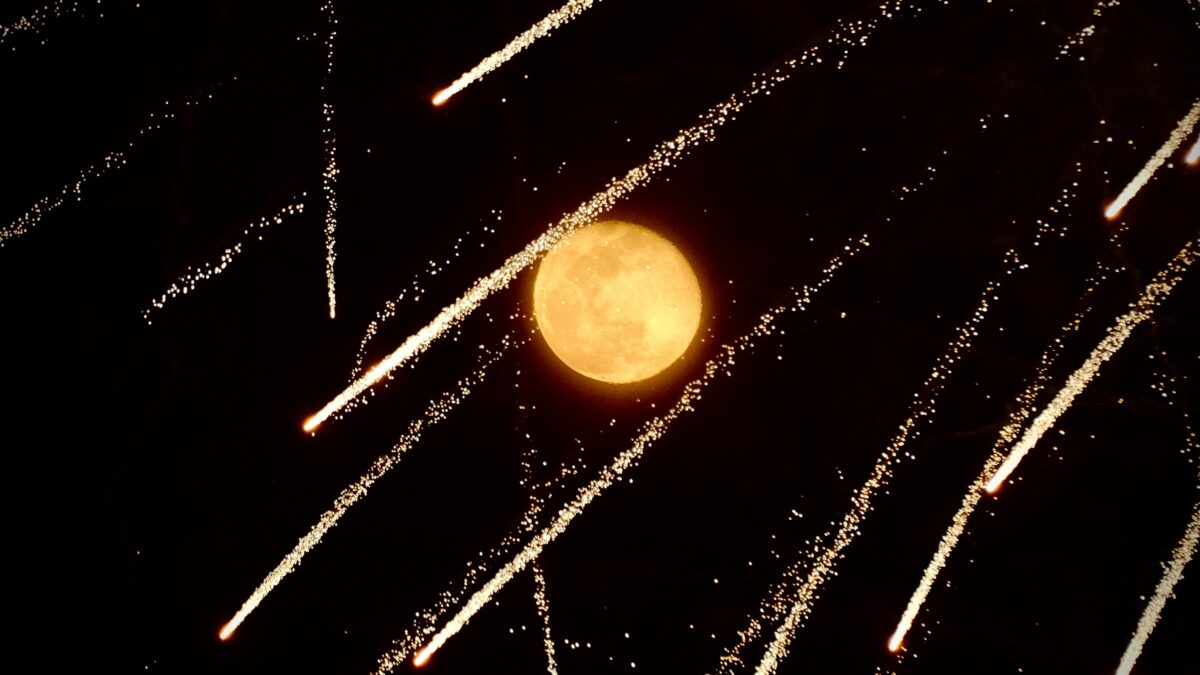
In Korea, Seollal (설날) is not simply the transition into a new year. It is a suspended moment in time, deeply symbolic, when life recenters around family, ancestors, and transmission. More than a celebration, Seollal is a complete cultural experience—both intimate and collective—that reveals the very essence of Korean society.
A return to one’s roots
Seollal marks the first day of the year according to the lunar calendar. On this occasion, millions of Koreans travel back to their hometowns to gather around their elders. Homes fill up, kitchens come alive from early morning, and the entire country shifts into a different rhythm—slower, quieter, more inward-looking.
It is a time for reconciliation with the past, but also for looking ahead. What has been passed down—values, gestures, recipes—is honored, while wishes for the coming year are quietly expressed.
Rituals: respect and continuity
At the heart of Seollal lies charye (차례), the ancestral rite. A ceremonial table is carefully arranged according to a precise order and set with symbolic dishes. Families pay tribute to their ancestors through offerings and deep, respectful bows.
This is followed by sebae (세배): the younger generation bows formally to their elders to wish them a happy new year. In return, they receive words of wisdom—and often a small gift of money known as sebaetdon. This exchange embodies the values of respect, hierarchy, and intergenerational continuity that are central to Korean culture.
Tteokguk: eating one year older
It is impossible to speak of Seollal without mentioning tteokguk (떡국), the traditional rice cake soup. According to custom, eating a bowl of tteokguk symbolically means gaining one more year of age.
Made with a clear broth—usually beef or anchovy—thinly sliced garaetteok (cylindrical rice cakes), and garnished with egg, seaweed, and sometimes meat, this dish is both simple and deeply meaningful. The white color of the rice symbolizes purity and a fresh beginning.
Traditional games and shared moments
Once the rituals and meal are complete, it is time for games. Yutnori, a traditional board game, hwatu cards, kite flying, or leisurely walks in hanbok—Seollal is also a celebration of shared joy. In a country often defined by an intense daily pace, these moments of slowness and laughter are especially precious.
Seollal today: between tradition and modern life
While practices evolve—some families simplify the rituals, others choose to celebrate at restaurants or while traveling—the spirit of Seollal remains. Even among younger generations, who may feel more distant from tradition, Seollal continues to serve as a powerful emotional anchor.
For foreign visitors, it is a fascinating yet challenging period: many shops close, transportation is crowded, and Korea seems to turn inward. Yet it is also a rare opportunity to witness the country from the inside, far from its usual tourist bustle.
새해 복 많이 받으세요 — we wish you a year filled with discovery, flavor, and meaningful encounters.