
Korean Ginseng
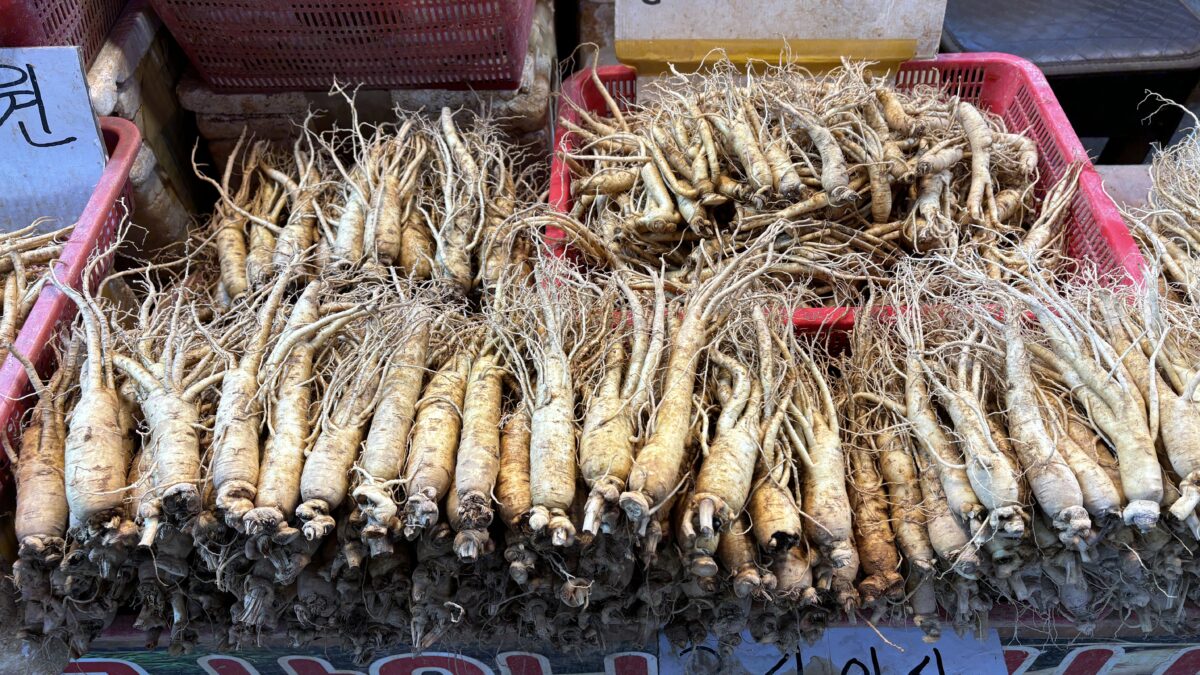
Korean ginseng, known as Panax ginseng or 홍삼 (hongsam) in Korea, has been revered for centuries as a natural tonic and health booster. From traditional medicine to modern wellness routines, this root has played a central role in Korean culture and health practices. But what makes Korean ginseng so special? Let’s dive into its history, benefits, and unique qualities.
A Long History of Ginseng in Korea
Ginseng has been cultivated in Korea for over 2,000 years. Historical texts, including Donguibogam (an important 17th-century medical encyclopedia), highlight its uses for boosting vitality, stamina, and longevity. Korean ginseng was often considered a royal herb, reserved for kings and nobles due to its reputed health-promoting properties.
The cultivation of ginseng in Korea is meticulous. The geography and climate of the Korean peninsula, with its fertile soil and distinct seasonal variations, contribute to the development of high-quality roots. Today, regions like Geumsan are world-famous for their ginseng production.
What Makes Korean Ginseng Unique?
1 – High Concentration of Ginsenosides
Korean ginseng is particularly rich in ginsenosides, the active compounds responsible for most of its health benefits. These compounds vary depending on the age of the root, cultivation method, and processing technique.
2 – Red vs. White Ginseng
¤ White ginseng: Air-dried raw ginseng, mild in flavor.
¤ Red ginseng (홍삼): Steamed and dried, giving it a reddish hue. The steaming process enhances its medicinal potency and antioxidant content.
3 – Slow Growth
Premium Korean ginseng is harvested after 4–6 years, allowing the roots to develop maximum potency. Older roots are rarer and more expensive, prized for their dense nutrients and concentrated ginsenosides.
Health Benefits of Korean Ginseng
Korean ginseng has been extensively studied for its adaptogenic and immune-boosting properties. Key benefits include:
¤ Energy and vitality: Helps reduce fatigue and increase physical stamina.
¤ Immune support: Supports the body’s natural defenses against illness.
¤ Cognitive function: Some studies suggest enhanced memory, focus, and mental clarity.
¤ Stress management: Adaptogenic properties help the body cope with stress.
¤ Blood circulation: Can promote cardiovascular health and regulate blood sugar levels.
How Korean Ginseng is Consumed
Korean ginseng is versatile and incorporated into daily routines in various ways:
¤ Raw or sliced roots: Often chewed directly or used in teas.
¤ Red ginseng extract or tonic: Concentrated forms available in bottles, capsules, or powders.
¤ Ginseng in cooking: Added to soups, stews (like samgyetang, ginseng chicken soup), and even desserts for a healthful boost.
Its slightly bitter, earthy flavor is balanced by natural sweetness when cooked or steamed, making it both medicinal and culinary.
Cultural Significance
Beyond its health benefits, ginseng holds deep cultural meaning in Korea:
¤ A symbol of longevity and vitality, often given as a gift for elders or new mothers.
¤ Featured in traditional rituals and ceremonies, reflecting respect for nature’s healing powers.
¤ A driver of local economy, particularly in regions like Geumsan, where ginseng festivals celebrate this heritage annually.
Choosing Quality Ginseng
When purchasing Korean ginseng:
¤ Check the age: Older roots have higher potency.
¤ Know the type: Red ginseng is more medicinal; white ginseng is milder.
¤ Source matters: Look for reputable regions and certified products, often labeled Korean Red Ginseng.